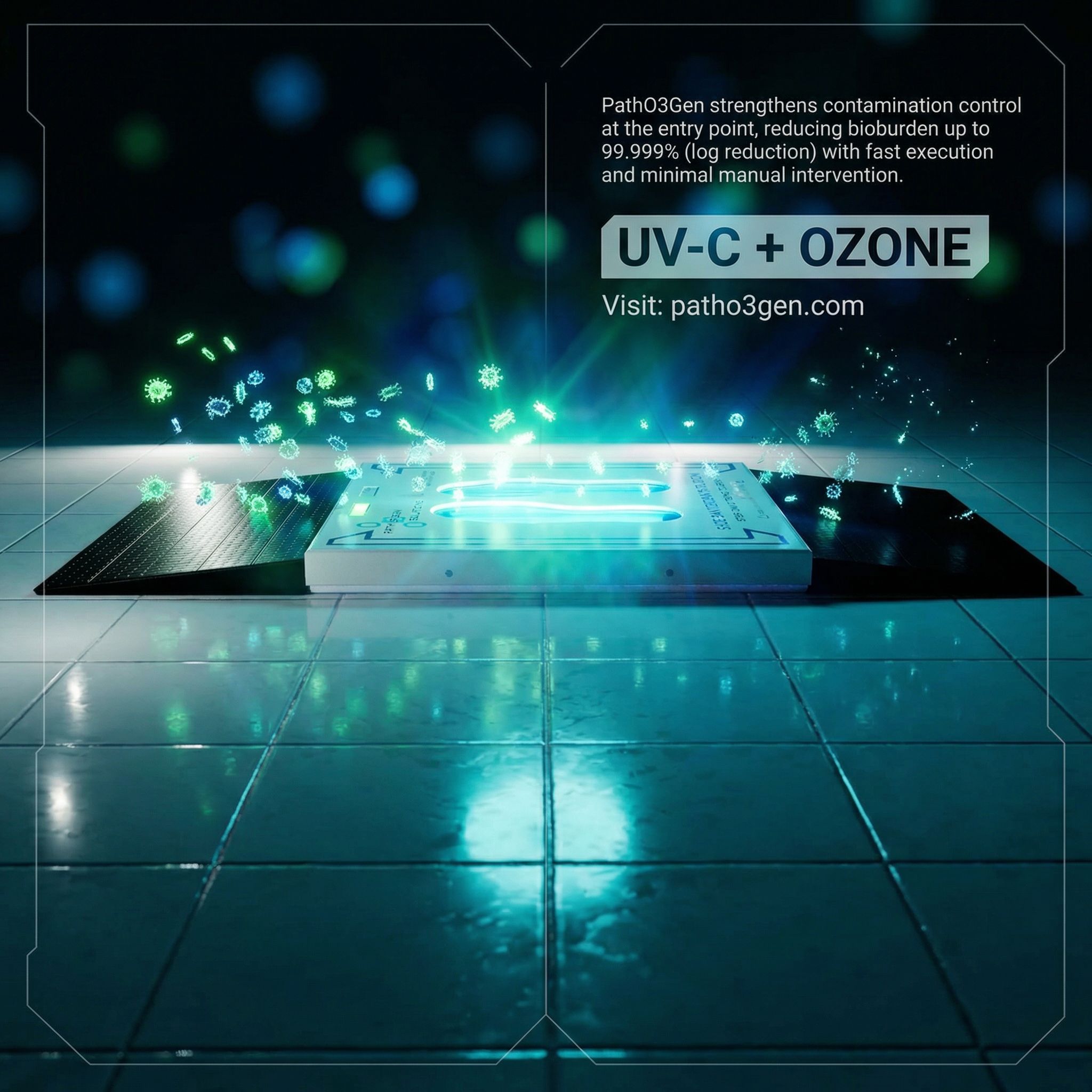
Automated Footwear Hygiene for
USP <797> Cleanroom Environments
UVZone® Shoe Sanitizing Stations add a standardized, automated hygiene step at the cleanroom transition point—reinforcing protocol execution and supporting contamination control documentation in sterile compounding environments.
Why Pharmacies Are Adding UVZone® Shoe Sanitizing Stations
Pharmacy directors and compliance officers are integrating engineering controls into cleanroom workflows to reduce variability and strengthen contamination control documentation.
Standardized Entry Protocol
Every person, every shift, every entry—a standardized step that reinforces consistent footwear hygiene without relying on individual compliance
A Visible Sign of Safety
Demonstrates to inspectors and accreditors that your facility has invested in process-level contamination controls beyond basic SOPs
Garbing Procedure Reinforcement
Integrates into existing garbing and gowning workflows as a secondary engineering control at the cleanroom transition point
Reduces Human Variability
High-volume compounding periods and staffing transitions create compliance gaps—automated controls deliver consistency regardless of conditions
Creates a Perimeter of Safety
Engineered to fit directly into transition-zone sequences, adding a measurable layer of environmental control at facility entry points
Strengthens Audit Narrative
Provides documented evidence of proactive contamination control investment—supporting a defensible quality program during reviews
Engineering Controls, Not Just Checklists
In CGMP-aligned and cleanroom environments, demonstrating process-level controls—not just procedural ones—supports audit readiness and quality program objectives.
Training and SOPs are foundational. But human-dependent hygiene steps are inherently variable. Shift changes, production pressure, and staffing gaps create inconsistencies that inspectors are trained to identify. Engineering controls add a consistent, repeatable layer to contamination control workflows—helping reduce reliance on individual compliance alone.
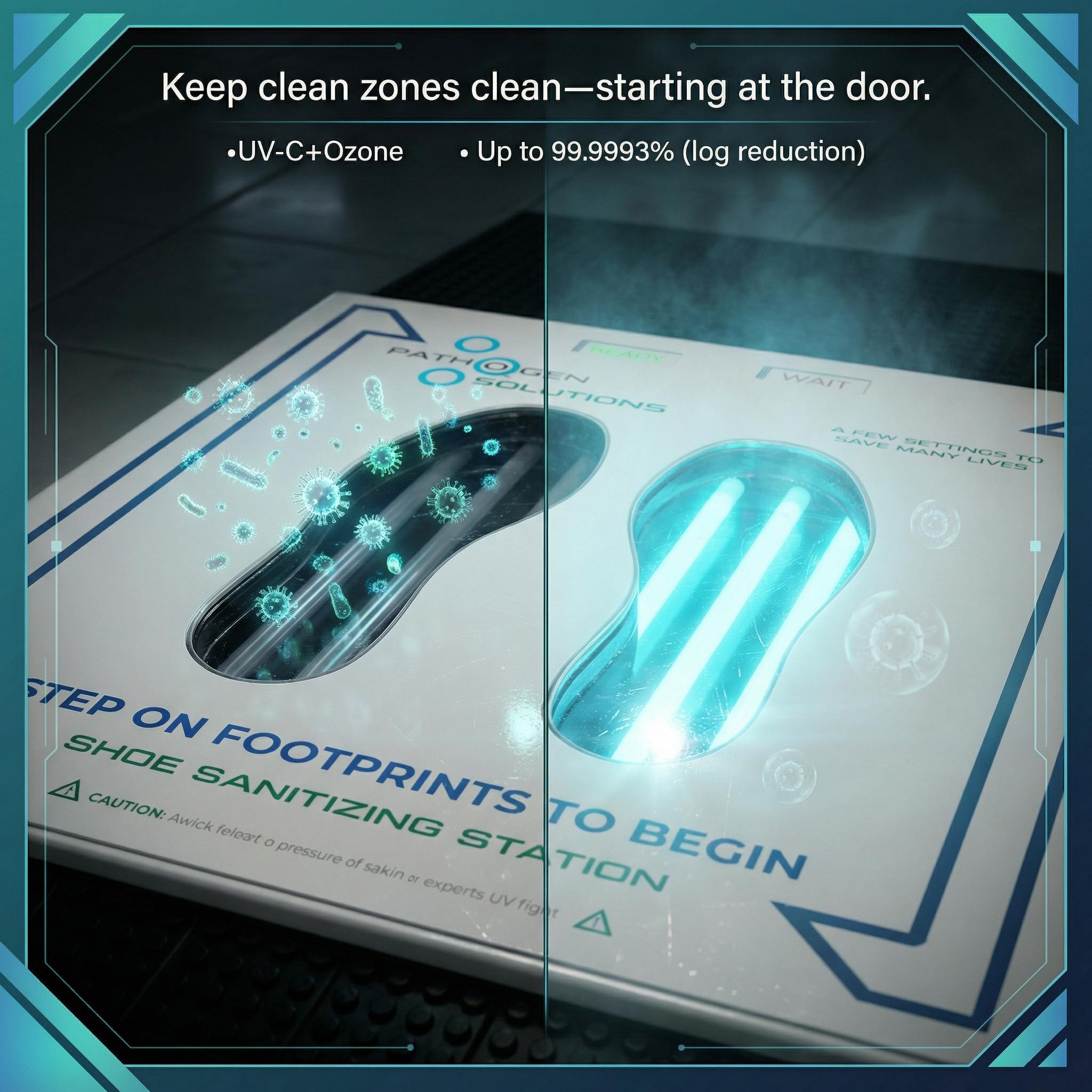
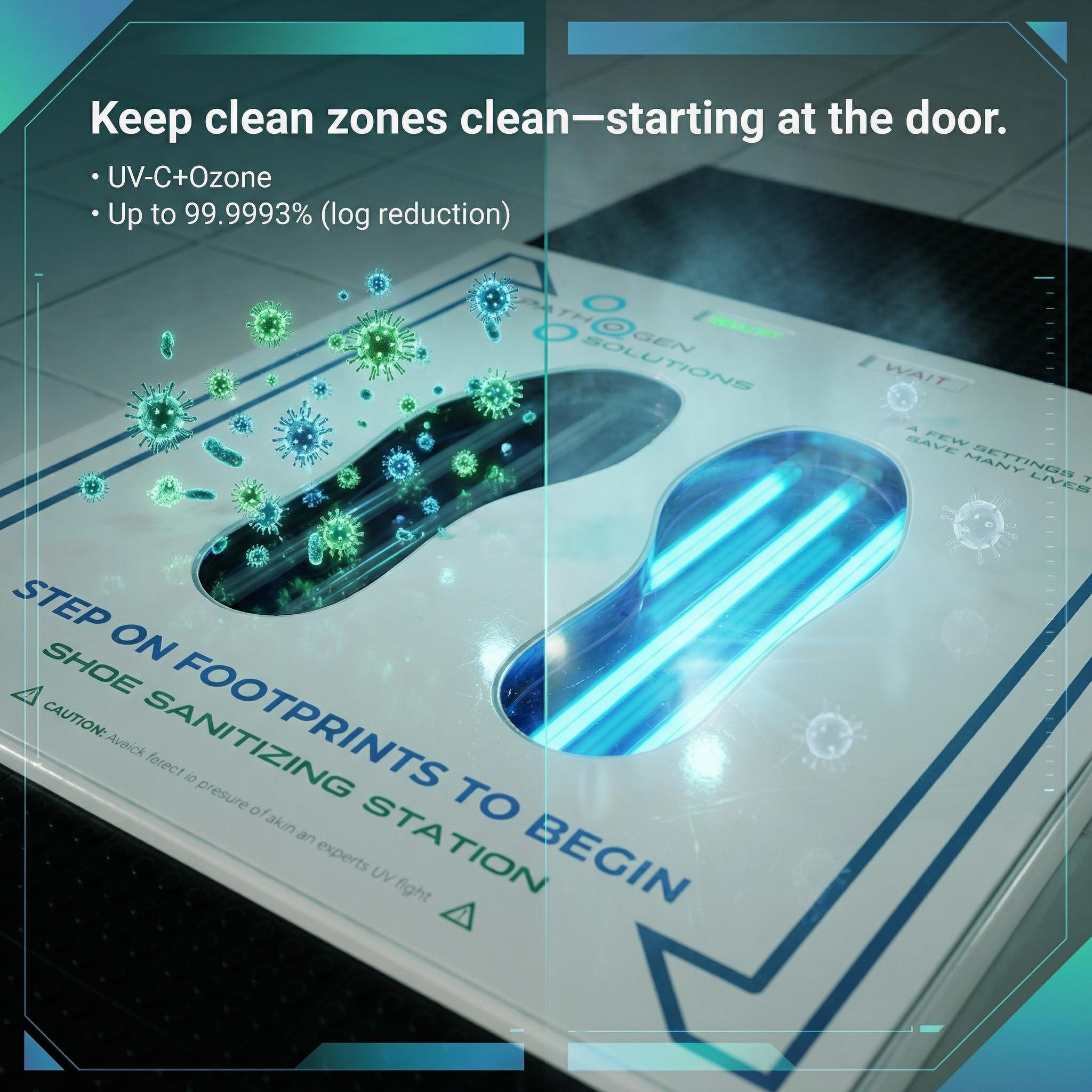
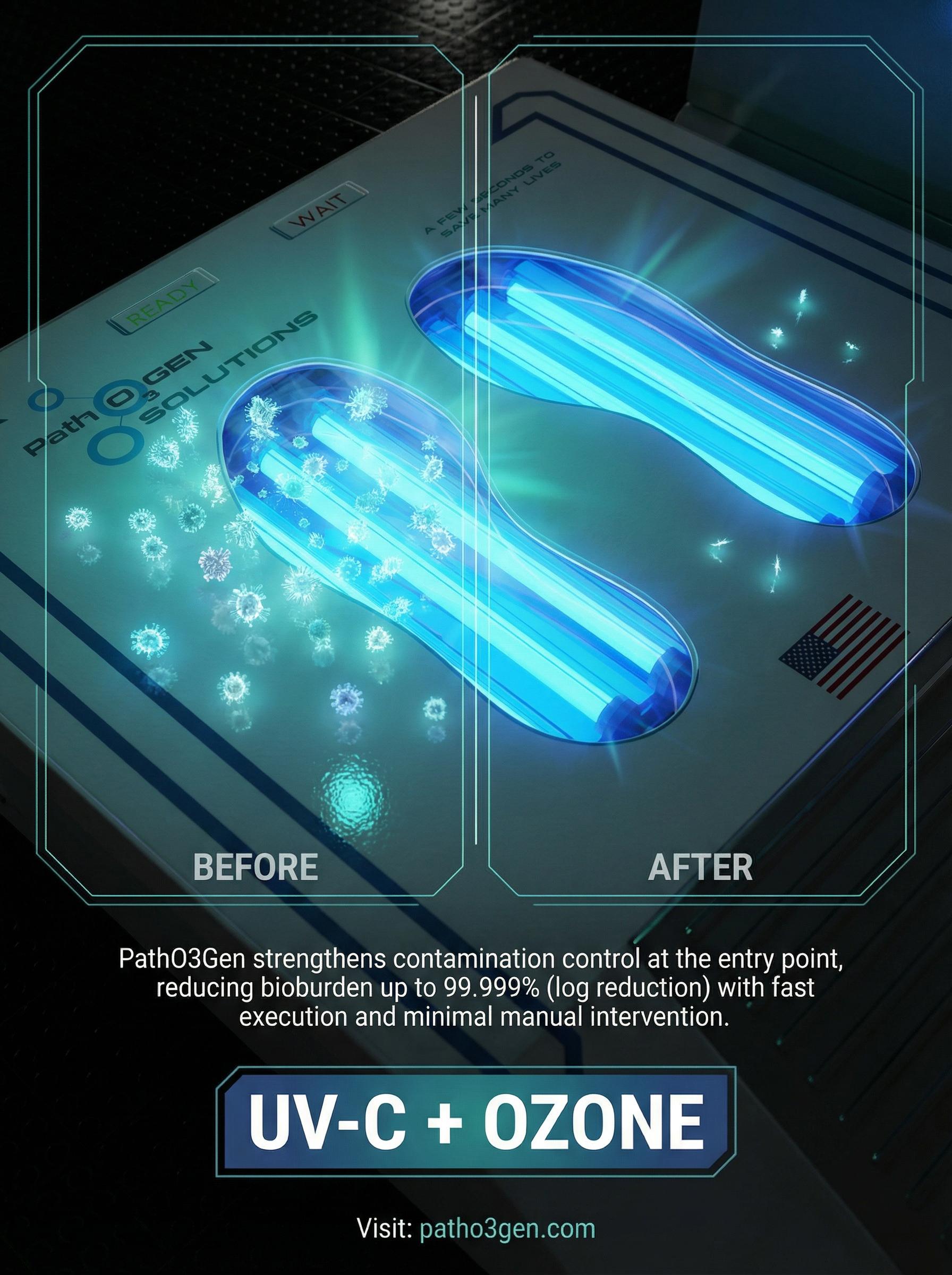
UVZone® Shoe Sanitizing Stations are automated footwear hygiene controls engineered to integrate into cleanroom entry workflows. Independently tested for efficacy and proven to reduce up to 99.9993% of pathogens tested, UVZone® reinforces protocol consistency and helps reduce variability in sterile compounding environments—providing a standardized step that supports contamination control documentation and CGMP alignment.
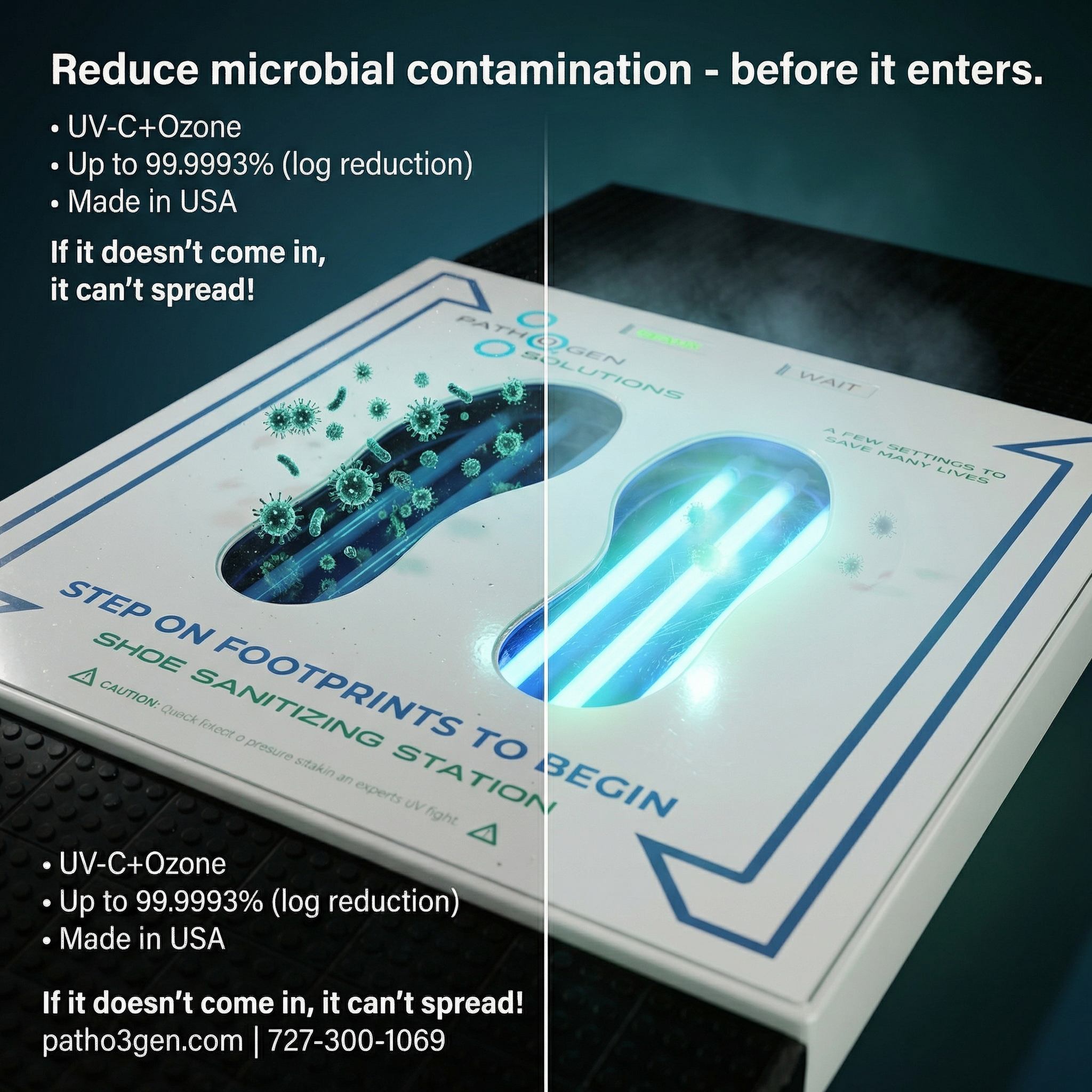
Engineering controls are intended to complement—not replace—proper garbing procedures, training programs, and SOPs required under USP <797> and applicable state regulations.
Inspection Readiness Starts Before the Inspector Arrives
Defensibility, documentation, and consistency—the three pillars inspectors evaluate when reviewing your contamination control strategy.
Defensibility
Facilities that demonstrate investment in engineering controls—beyond basic shoe covers and SOPs—present a stronger compliance posture during reviews.
Documentation
Automated controls can support more consistent documentation practices—depending on your workflow and recordkeeping process.
Consistency
Engineering controls deliver the same standardized step regardless of shift, staffing, or production volume—reducing the human variability inspectors look for.
UVZone® does not guarantee inspection success. Inspection outcomes depend on the totality of a facility’s contamination control strategy, documentation practices, and compliance with applicable standards.
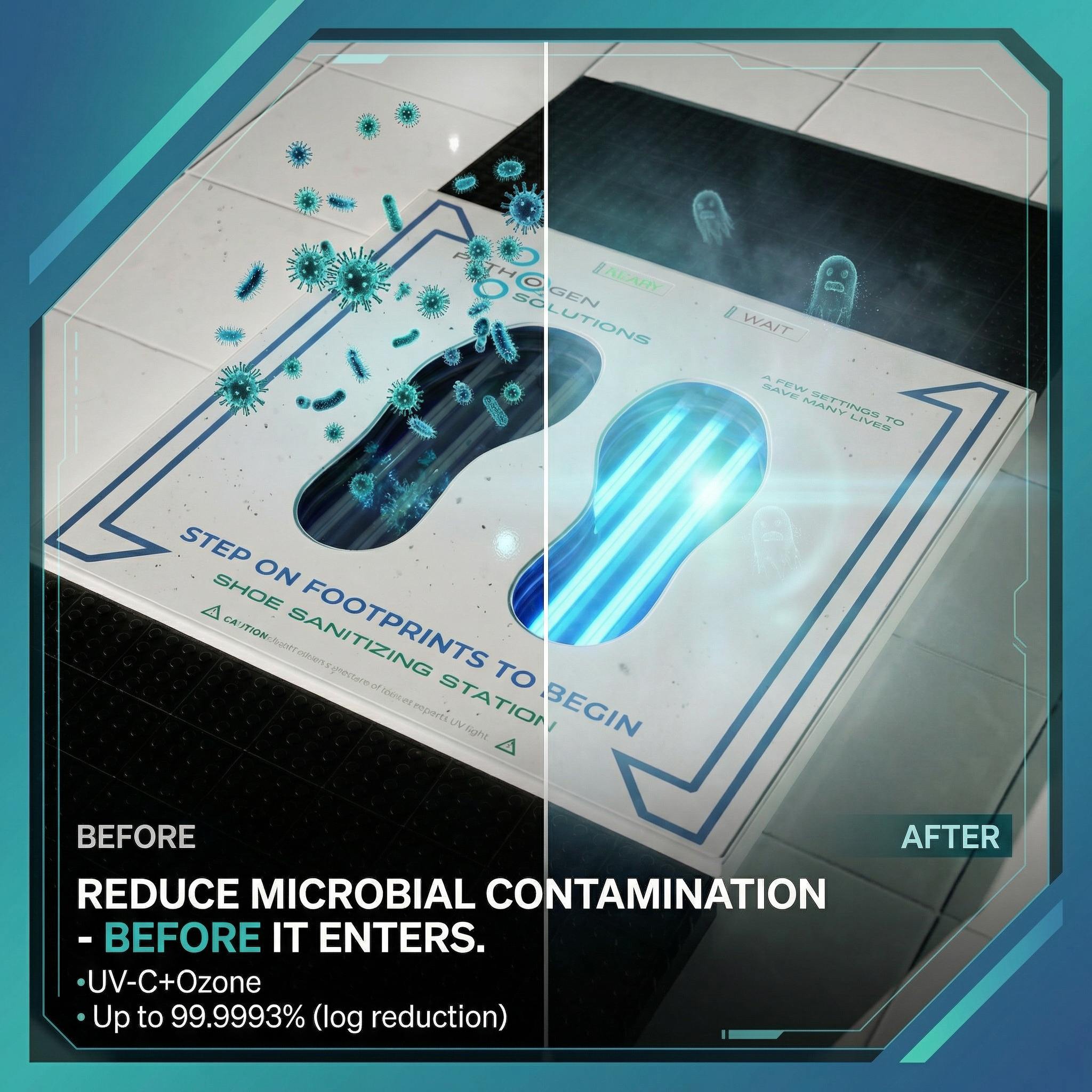
Reduce Microbial Contamination Before It Enters
UVZone® creates a perimeter of safety at every transition point—UV-C + Ozone technology with up to 99.9993% pathogen reduction in independent testing.
What Inspectors Are Scrutinizing in Transition Zones
State boards, accreditation bodies, and internal quality teams are increasingly focused on transition-zone controls during cleanroom reviews.
Transition-Zone Procedures
Documented procedures for personnel flow through transition zones are a primary focus area in USP <797> inspections
Footwear Hygiene Documentation
During reviews, facilities are often expected to show how transition-zone controls are defined, executed, and documented
Process-Level Controls
Facilities may choose to strengthen controls beyond shoe covers when aiming for greater consistency and defensibility
Cross-Shift Verification
Workflow adherence across shifts, personnel changes, and high-volume periods is difficult to verify without automated controls
Accreditation Reviews
Absence of documented footwear hygiene protocols beyond shoe covers can surface as a finding during accreditation and quality reviews
Environmental Monitoring Alignment
Demonstrating that footwear controls are part of your environmental monitoring and contamination control strategy strengthens your overall compliance narrative
Pharmacy Footwear Hygiene Audit Checklist
Use this self-assessment to evaluate your current transition-zone footwear hygiene program. This is not legal or regulatory advice.
Frequently Asked Questions
Strengthen Your Contamination Control Strategy
Download the whitepaper to learn how UVZone® Shoe Sanitizing Stations can help support your USP <797> compliance program and audit readiness as part of a comprehensive sterile compounding compliance strategy.
Not legal advice. Facilities must follow USP <797>, USP <800> where applicable, state board regulations, and internal quality systems. UVZone® Shoe Sanitizing Stations are intended to support contamination control workflows as part of a comprehensive compliance strategy.
Get the USP 797 Whitepaper
Fill out the form below for instant access
We respect your privacy. Your information will never be shared.