
The Challenge of Shoe-Borne Pathogens
We're witnessing significant changes in the public health environment. A key area of concern that has gained attention is the impact of shoe-borne pathogens on the spread of infectious diseases. This article focuses on understanding these pathogens and their influence on public health risks in 2024.
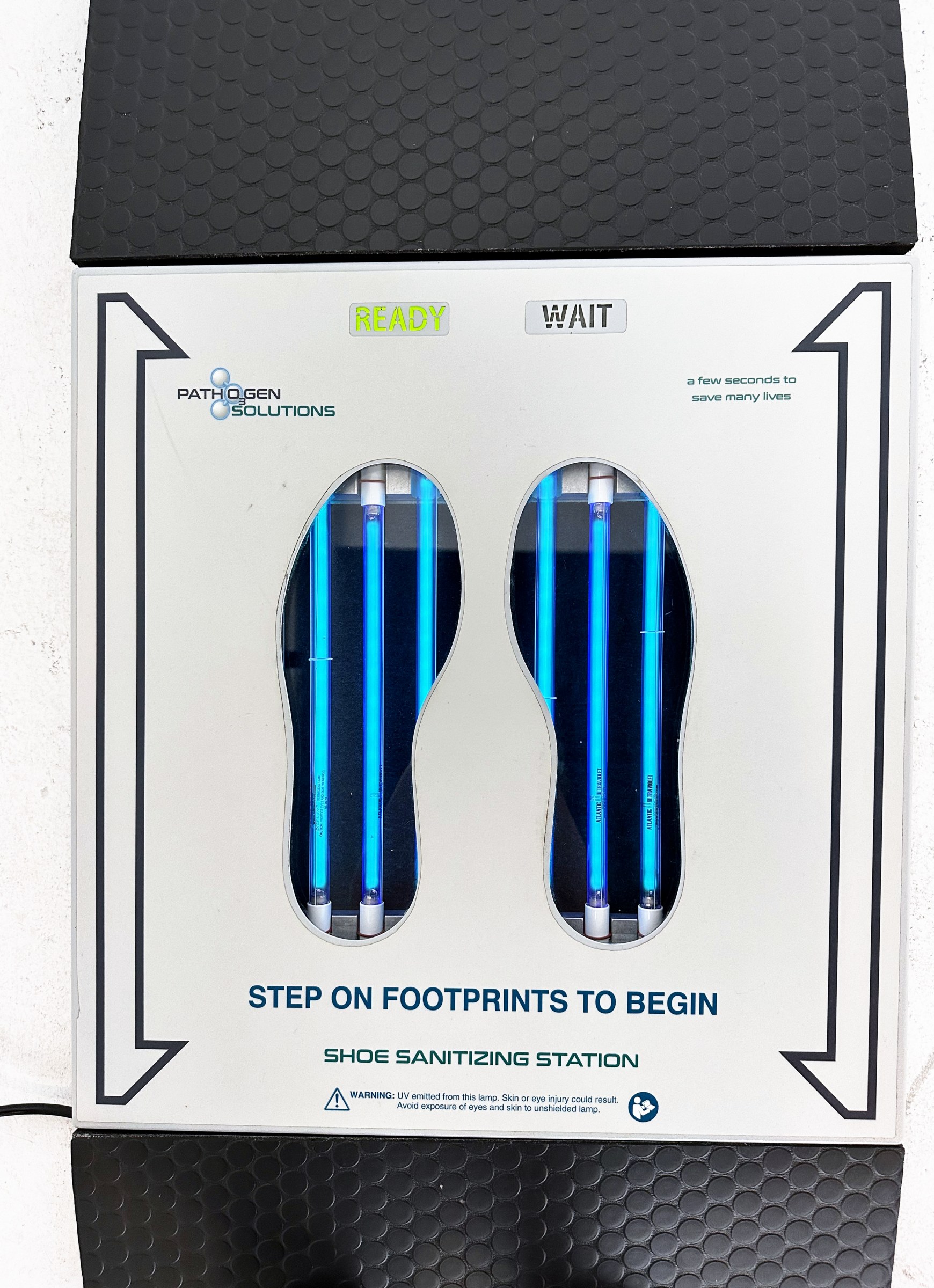
A device that uses UV-C and ozone to sanitize shoe soles
In the ever-evolving landscape of public health risks in 2024, understanding and addressing shoe-borne pathogens has become increasingly crucial. These microorganisms, present on the soles of our shoes, are carriers of diseases that can significantly impact our health. This category of pathogens includes bacteria like E. coli and Staphylococcus aureus, known for causing skin infections and other health complications. Viruses, including those causing the common cold, flu, and other respiratory illnesses, along with fungi responsible for conditions like athlete's foot, also fall under this category.
The way these pathogens cling to our shoes from contaminated surfaces and then get transported into our homes, workplaces, and public spaces is a matter of concern. The year 2024 has seen an escalation in the concern over shoe-borne pathogens, driven by factors such as increased urbanization, which brings more people into close quarters, thereby raising the chances of pathogen spread. Additionally, global travel has made it easier for pathogens to move rapidly across regions. In the post-pandemic era, there is a heightened awareness of how easily pathogens can spread in communal spaces, making this an issue that cannot be ignored.
Patho3gen's UVZone
Helps reduce microbial contamination in facilities when used as directed
The Role of Shoe Sanitization
Comprehensive Strategies to Curb Pathogen Spread
Beyond shoe sanitization, a holistic approach is essential for effective pathogen control:
- Hand Hygiene: Regular and thorough hand washing remains a fundamental practice in preventing the spread of diseases.
- Surface Cleaning: Diligent disinfection of frequently touched surfaces in various settings is crucial.
- Use of Personal Protective Equipment (PPE): Proper use of PPE in healthcare and crowded settings is vital.
- Educational Initiatives: Raising public awareness about hygiene and preventive practices is key.
Environmental Risk Control
Contact Us
Application Limits
UVZone® treats the undersides of shoes during an activated treatment cycle. It does not continuously treat the room, the facility, or the footwear after the user steps off the station.
If footwear requires physical cleaning, that cleaning step remains necessary. If your procedure requires chemical treatment, shoe covers, dedicated footwear, hand hygiene, personal protective equipment, environmental cleaning, sanitation, traffic controls, or another facility control, that requirement remains in place until the responsible facility team approves a change.
UVZone® is intended to complement a broader contamination-control, hygiene, infection-prevention, or biosecurity program. It does not independently establish compliance or guarantee a facility-specific result.
Third-Party Lab Verified Efficacy. Selected results shown. Full laboratory reports are available upon request. Testing conducted from 2019 through 2022.
Efficacy claims based on independent laboratory testing. Results may vary based on application conditions. Patho3Gen technology is designed for environmental surface sanitation and is not intended to diagnose, treat, cure, or prevent any disease. Always follow manufacturer guidelines and applicable regulations.