
October 7, 2023
The Economic and Societal Impacts of Healthcare-Associated Infections
These infections are not mere statistics or isolated incidents confined to medical reports. They are real, tangible events that touch lives, often leaving lasting scars. Their impact is not limited to the physical health of the affected individuals. The reverberations of healthcare-associated infections extend far and wide, influencing our communities, shaking the very foundations of our economies, and challenging the trust we place in our societal institutions.
How Infectious Diseases Affect the Economy
When an individual is unfortunate enough to contract an infectious disease within the confines of a healthcare facility, the financial repercussions are immediate and multifaceted. The costs associated with treating these infections can be staggering, and they manifest in various ways:
- Medications: The treatment of healthcare-associated infections often necessitates a regimen of potent medications. The expenses for antibiotics, antivirals, and other specialized drugs can mount rapidly. This is especially true when dealing with antibiotic-resistant strains, which demand more expensive and prolonged treatment courses.
- Hospital Stays: An infection can complicate a patient’s medical journey, leading to extended stays in the hospital. These prolonged hospitalizations, often in specialized wards or intensive care units, can exponentially inflate the overall healthcare bill.
- Specialized Care and Interventions: Certain infections can be particularly insidious, requiring specialized medical interventions. Whether it’s advanced surgical procedures to address complications or specialized treatments, these interventions come with their own set of costs, adding to the financial strain on both the healthcare system and the patient.
The direct costs associated with treating healthcare-associated infections underscore the urgent need for effective preventive measures. Not only do they represent a significant financial burden, but they also highlight the tangible impact of these infections on patients’ well-being and the overall efficiency of the healthcare system.
Indirect Economic Impacts
Beyond the direct costs, infectious diseases have a domino effect on the broader economy:
- Loss of Workforce Productivity: Affected individuals may need extended time off work, leading to reduced productivity and potential income loss.
- Impact on Healthcare Insurance Premiums: As treatment costs rise, insurance companies may increase premiums, affecting both individuals and businesses.
- The strain on Healthcare Resources and Facilities: High infection rates can overwhelm healthcare facilities, leading to resource allocation challenges and potential delays in treatment for other patients.
Factors Contributing to Healthcare-Associated Infections
Environmental Factors
The environment within healthcare settings plays a pivotal role in the spread of infections:
- Contaminated Surfaces and Equipment: From bed rails to surgical instruments, contaminated surfaces can act as reservoirs for pathogens.
- Airborne Transmission in Enclosed Spaces: Inadequate ventilation or crowded wards can facilitate the spread of airborne diseases.
Human Factors
While environmental factors are crucial, human actions, or inactions, are equally responsible for the spread of infections:
- Inadequate Hand Hygiene Practices: Hand hygiene is the cornerstone of infection prevention. However, lapses in proper handwashing can lead to disease transmission.
- Improper Use or Lack of Personal Protective Equipment (PPE): PPE acts as a barrier between healthcare workers and pathogens. Incorrect usage or the absence of PPE can expose both patients and staff to infectious agents.
The Societal Impact of Infectious Diseases
Infectious diseases, particularly those acquired within healthcare settings, have profound societal implications. These impacts are not just limited to the health of the affected individuals but resonate through communities, affecting public health and economic stability.
Public Health Concerns
- Spread of Diseases within Communities: Healthcare-associated infections can extend beyond the confines of medical facilities. Patients, once discharged, can inadvertently become vectors, leading to community outbreaks.
- Impact on Vulnerable Populations: Certain segments of the population, such as the elderly, children, and immunocompromised individuals, are at heightened risk. Infections in these groups can lead to severe complications and, in some cases, fatalities.
Economic Disparities and Access to Care
- Disproportionate Effects on Lower-Income Communities: Economic disparities often translate to health disparities. Lower-income communities may lack access to quality healthcare, making them more susceptible to infections and their complications.
- Challenges in Accessing Quality Healthcare: Economic constraints can limit access to preventive measures, timely treatments, and post-care rehabilitation, exacerbating the societal impact of infectious diseases.
The Importance of Infection Control in Hospitals
Infection control is not just a matter of best practice; it’s a critical component in ensuring patient safety, trust in healthcare institutions, and overall public health.
Benefits of Effective Infection Control
- Reduction in Disease Spread and Associated Costs: Effective infection control measures can significantly reduce the incidence of healthcare-associated infections, leading to substantial cost savings for both healthcare providers and patients.
- Improved Patient Outcomes: With reduced infection rates, patients experience better health outcomes, shorter hospital stays, and a lower risk of complications.
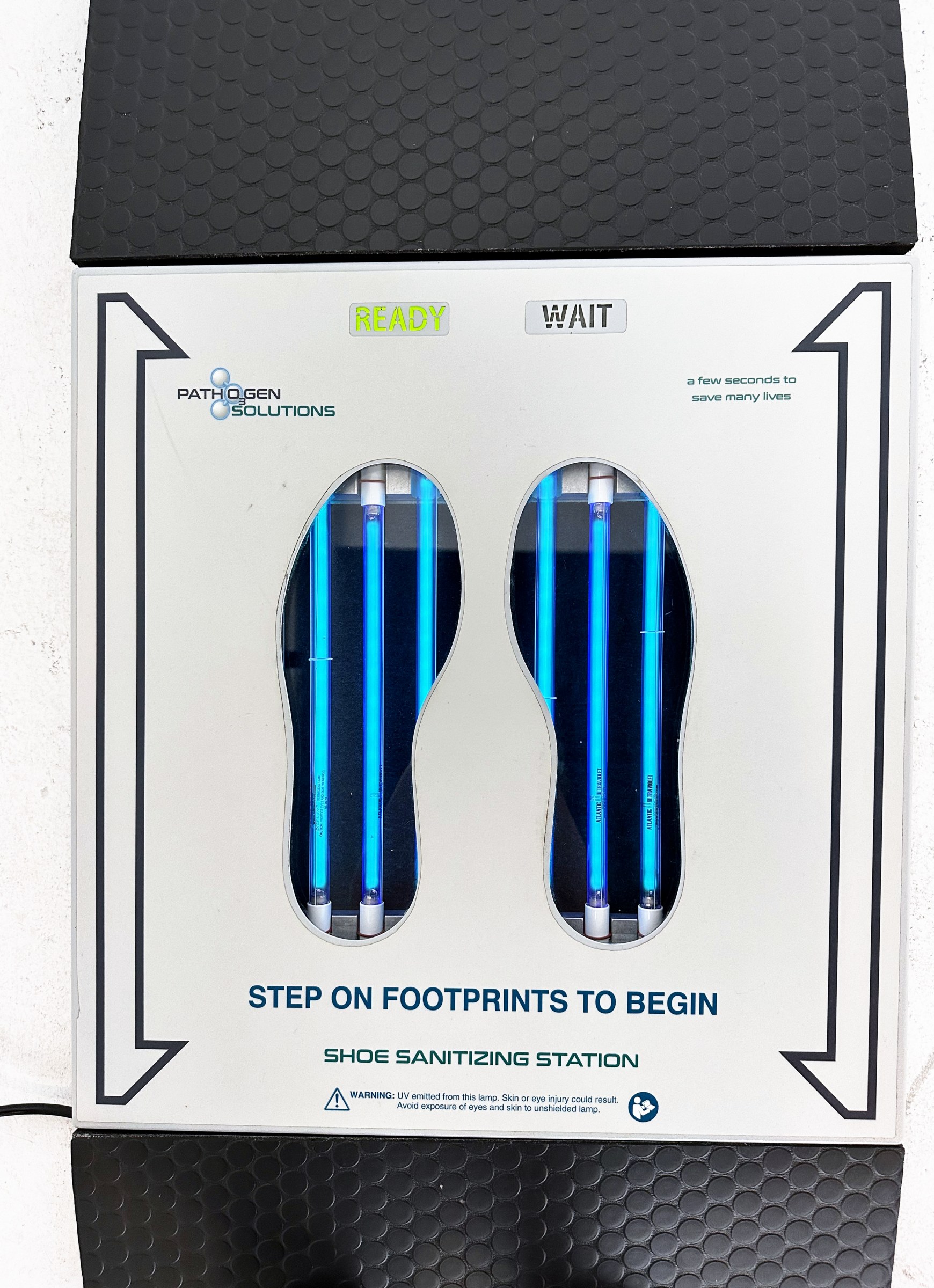
UVZone Shoe Sanitizing Station
- A device that uses UV-C and ozone to sanitize shoe soles
- Reduces risk of cross-contamination from footwear
- Enhances traditional hygiene protocols
Application Limits
UVZone® treats the undersides of shoes during an activated treatment cycle. It does not continuously treat the room, the facility, or the footwear after the user steps off the station.
If footwear requires physical cleaning, that cleaning step remains necessary. If your procedure requires chemical treatment, shoe covers, dedicated footwear, hand hygiene, personal protective equipment, environmental cleaning, sanitation, traffic controls, or another facility control, that requirement remains in place until the responsible facility team approves a change.
UVZone® is intended to complement a broader contamination-control, hygiene, infection-prevention, or biosecurity program. It does not independently establish compliance or guarantee a facility-specific result.
Third-Party Lab Verified Efficacy. Selected results shown. Full laboratory reports are available upon request. Testing conducted from 2019 through 2022.
Efficacy claims based on independent laboratory testing. Results may vary based on application conditions. Patho3Gen technology is designed for environmental surface sanitation and is not intended to diagnose, treat, cure, or prevent any disease. Always follow manufacturer guidelines and applicable regulations.