
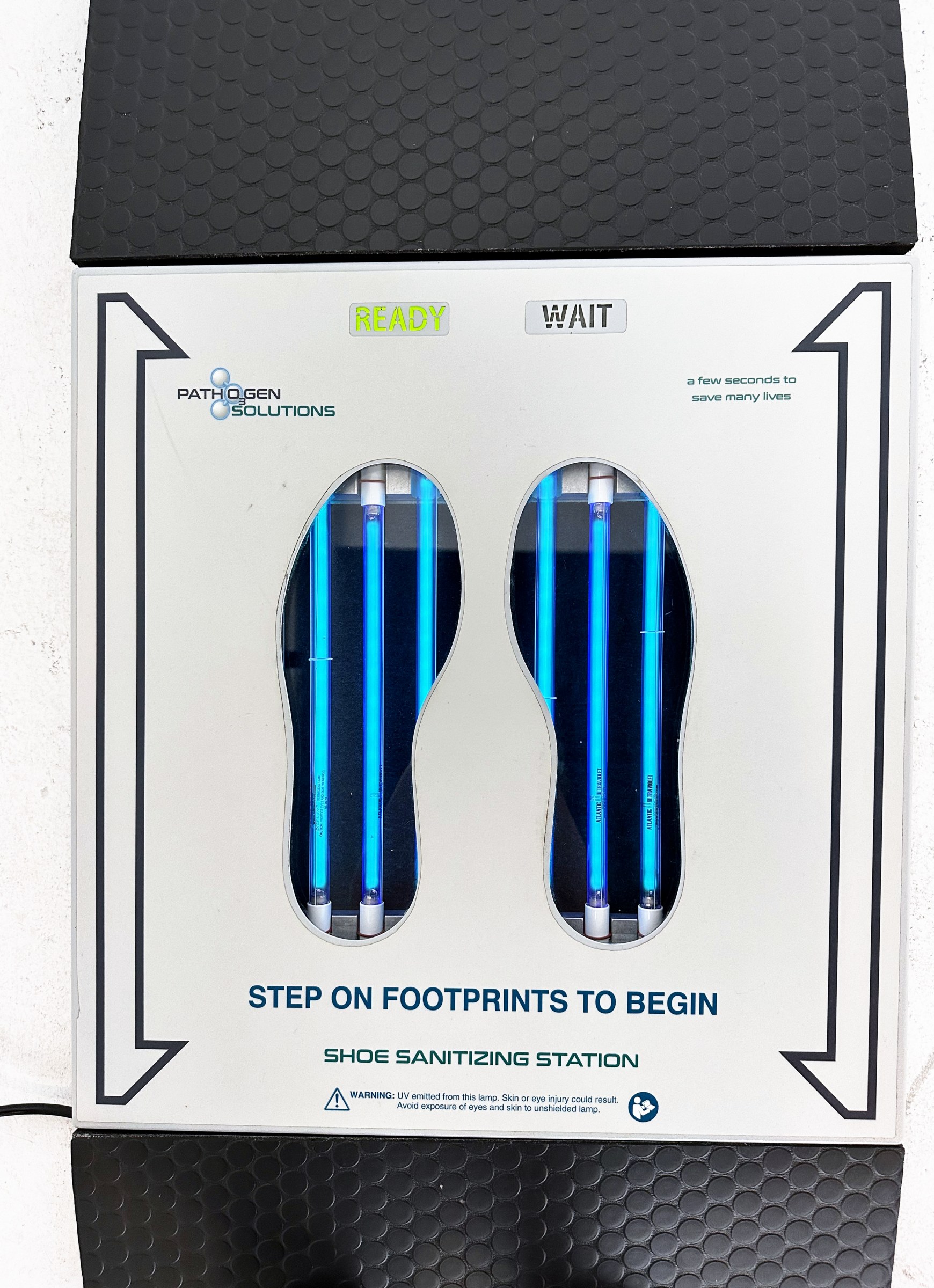
In January 2026, the U.S. Food and Drug Administration’s Human Foods Program (HFP) released its 2026 Priority Deliverables, outlining a broad regulatory agenda built around protecting public health by strengthening food safety systems, including microbiological risk reduction in food manufacturing. The plan emphasizes expanded inspection coverage and enhanced contamination prevention training and education for dairy, egg, and other food producers as foundational to preventing foodborne illness. (U.S. Food and Drug Administration)
The FDA Human Foods Program 2026 signals a clear shift toward greater accountability in food manufacturing compliance and preventive controls verification.
But there’s a critical tension emerging between regulatory expectations and what industry practice alone can reliably deliver.
If footwear requires physical cleaning, that cleaning step remains necessary. If your procedure requires chemical treatment, shoe covers, dedicated footwear, hand hygiene, personal protective equipment, environmental cleaning, sanitation, traffic controls, or another facility control, that requirement remains in place until the responsible facility team approves a change.
The Unavoidable Gap in Human-Dependent Hygiene Controls
The FDA Human Foods Program 2026 priorities highlight contamination prevention training as a cornerstone of its inspection strategy. In dairy and egg sectors, for example, 2026 deliverables include high-risk dairy training courses for regulators and outreach for producers to strengthen preventive controls. (U.S. Food and Drug Administration)
In practice, however, training does not guarantee sustained behavior. Workers under production pressure may unintentionally skip steps or vary execution of sanitation protocols. We are only human, after all. Studies in behavioral compliance across manufacturing sectors consistently show that self-reported or training-based compliance does not always translate into consistent execution on the floor, particularly during peak production periods or staffing gaps.
That’s where environmental and automated hygiene controls become essential complements (not substitutes) to human training.
Why Automated Environmental Controls Matter in 2026
FDA’s 2026 strategy reinforces contamination prevention through inspections and training. Yet inspections will inevitably uncover what human behavior leaves unguarded:
- Missed or variable execution of sanitation steps
- Gaps between procedures “on paper” and performance “in practice”
- Environmental pathogen vectors that human-dependent hygiene alone cannot fully control
UVZone® is intended to complement a broader contamination-control, hygiene, infection-prevention, or biosecurity program. It does not independently establish compliance or guarantee a facility-specific result.
From Training to Reliable Prevention
Training is necessary but not sufficient on its own. When companies embed measurable, automated hygiene controls into production workflows, they:
- Strengthen contamination control beyond procedures alone
UVZone® is intended to complement a broader contamination-control, hygiene, infection-prevention, or biosecurity program. It does not independently establish compliance or guarantee a facility-specific result.
Key Takeaway
Enhances traditional hygiene protocols
FAQ: FDA Human Foods Program 2026
What is the FDA Human Foods Program 2026?
The FDA Human Foods Program 2026 outlines expanded inspection coverage and strengthened preventive controls to reduce microbiological risk in food manufacturing.
Will FDA inspections increase in 2026?
Yes. The program aims to expand the inspection of food processing facilities by leveraging state inspection resources to complement FDA inspections.
Is contamination prevention training enough for compliance?
Training is foundational, but human variability can create compliance gaps. Many facilities are strengthening preventive controls with automated environmental safeguards.
How can food manufacturers improve inspection readiness?
Facilities can improve inspection readiness by combining structured training with measurable, repeatable hygiene controls that support preventive controls validation.
Application Limits
UVZone® treats the undersides of shoes during an activated treatment cycle. It does not continuously treat the room, the facility, or the footwear after the user steps off the station.
If footwear requires physical cleaning, that cleaning step remains necessary. If your procedure requires chemical treatment, shoe covers, dedicated footwear, hand hygiene, personal protective equipment, environmental cleaning, sanitation, traffic controls, or another facility control, that requirement remains in place until the responsible facility team approves a change.
UVZone® is intended to complement a broader contamination-control, hygiene, infection-prevention, or biosecurity program. It does not independently establish compliance or guarantee a facility-specific result.
Third-Party Lab Verified Efficacy. Selected results shown. Full laboratory reports are available upon request. Testing conducted from 2019 through 2022.
Efficacy claims based on independent laboratory testing. Results may vary based on application conditions. Patho3Gen technology is designed for environmental surface sanitation and is not intended to diagnose, treat, cure, or prevent any disease. Always follow manufacturer guidelines and applicable regulations.