UVZone UV-C + Ozone Technology: A High-ROI Hygiene Investment for Food Processors

Your Partner in Continuous Improvement
Footwear is one of the most variable and least standardized control points across the process map; contributing to cross-contamination in food processing and storage facilities by tracking bacteria like Salmonella, Listeria, and E. coli from lower-hygiene zones (or outdoors) into critical processing areas. Mats, boot-washers, and surface cleaning rely heavily on worker compliance - also one of the most variable parts of your Prerequisite Program. These traditional interventions require precise monitoring and intensive labor, not to mention the purchase, handling, and disposal of harsh chemicals. Despite all the hard work that food processors put into planning, verification, and validation of their food safety programs, it's not uncommon to face costs from $10 - $100 million dollars on a single event.
And headlines like these are common:
- "A major grocer recalls mixed nuts due to potential Salmonella contamination"
- "A California egg producer issues voluntary egg recall over Salmonella risk"
- "Widespread Listeria outbreak linked to ready-to-eat pasta meals leads to dozens of hospitalizations and deaths"
- "Recall of dried leaf powder and supplements over Salmonella concerns"
UVZone technology adds an additional layer of proven microbial control with zero added labor, consumables, or disruption of daily operations. A dedicated UV-C + ozone shoe hygiene station placed at each controlled entry or transition zone delivers rapid, automated, dry, and consistent microbial control for each person entering clean zones, reducing microbial load at the source, preventing further spread.
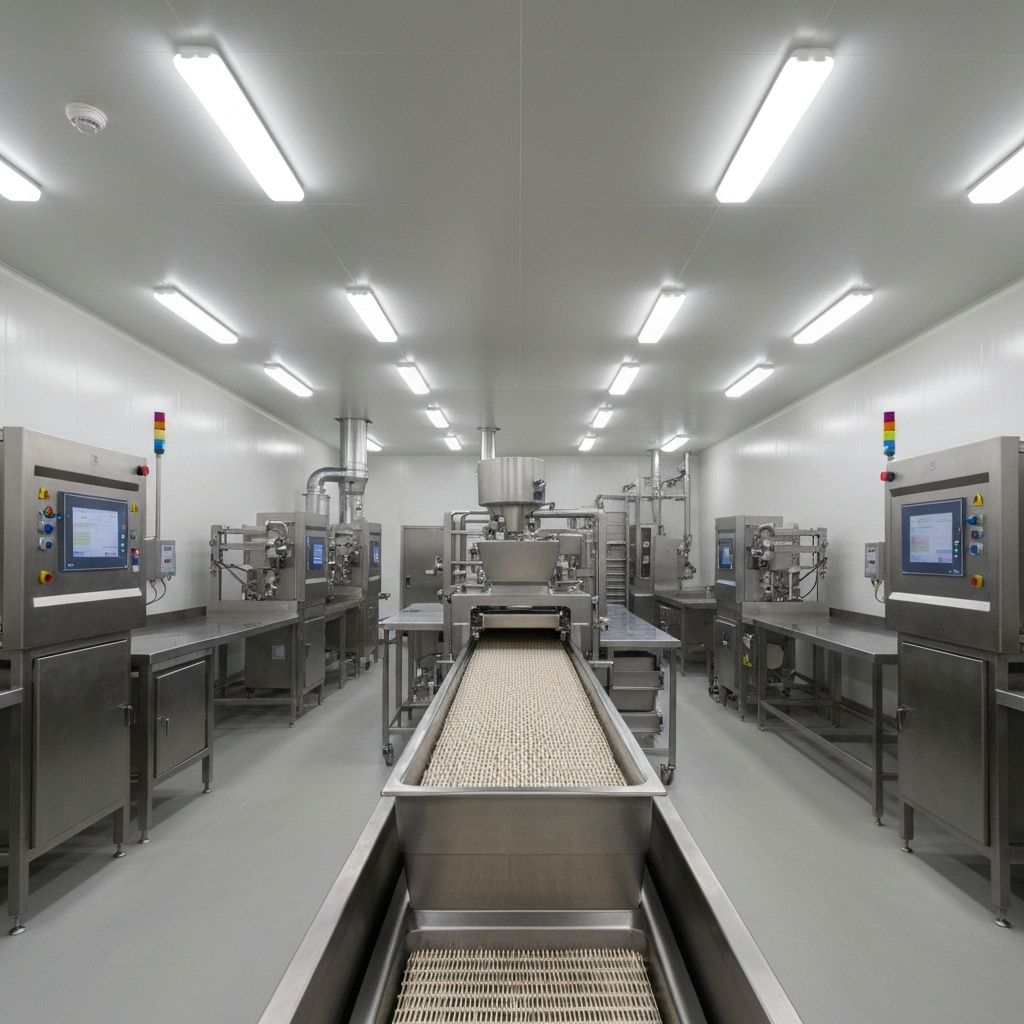
The High Cost of "Minor" Lapses
- Direct recall and destruction costs
- Overtime and rework
- Lost production days and capacity
- Chargebacks or loss of private-label contracts
- Higher insurance premiums and litigation expense
The ROI of UVZone-Enhanced Hygiene
- Risk avoidance (recalls, contamination events, liability)
- Reduced labor burden
- Improved audit readiness
- Enhanced brand protection
Why Shoes Matter: The Hidden Vector
In food-processing environments, shoes and boots often move from raw-material receiving, loading docks, or general circuits into clean production zones. These shoes carry bacteria, fungi, and viruses picked up along the way.
Without dedicated footwear hygiene, even a single employee or vendor can introduce pathogens like Salmonella, Listeria, E. coli, and Cronobacter, threatening product safety, HACCP compliance, and ultimately brand integrity.
What UV-C + Ozone Shoe Treatment Delivers
PathO3Gen Solutions UVZone shoe hygiene station achieves up to 99.9993% microbial reduction on shoe soles in 6 to 10 seconds in 3rd-party lab studies. UV-C and ozone are both known as powerful antimicrobials. Together they are even more powerful, targeting key foodborne pathogens including E. coli, Salmonella, Listeria, Cronobacter, and more.
The process is dry, no added chemicals, and hands-free; no boot dips, no water run-off, no rinsing, no chemical residuals. No added maintenance burden, lower slip/trip potential, and helps maintain a dry environment. By treating footwear at entry/transition zones such as raw-materials ingress, production-floor entrances, RTE areas, and final packaging zones, the station builds an added layer of cleanliness, reducing the likelihood of cross-contamination from external sources right at the door.
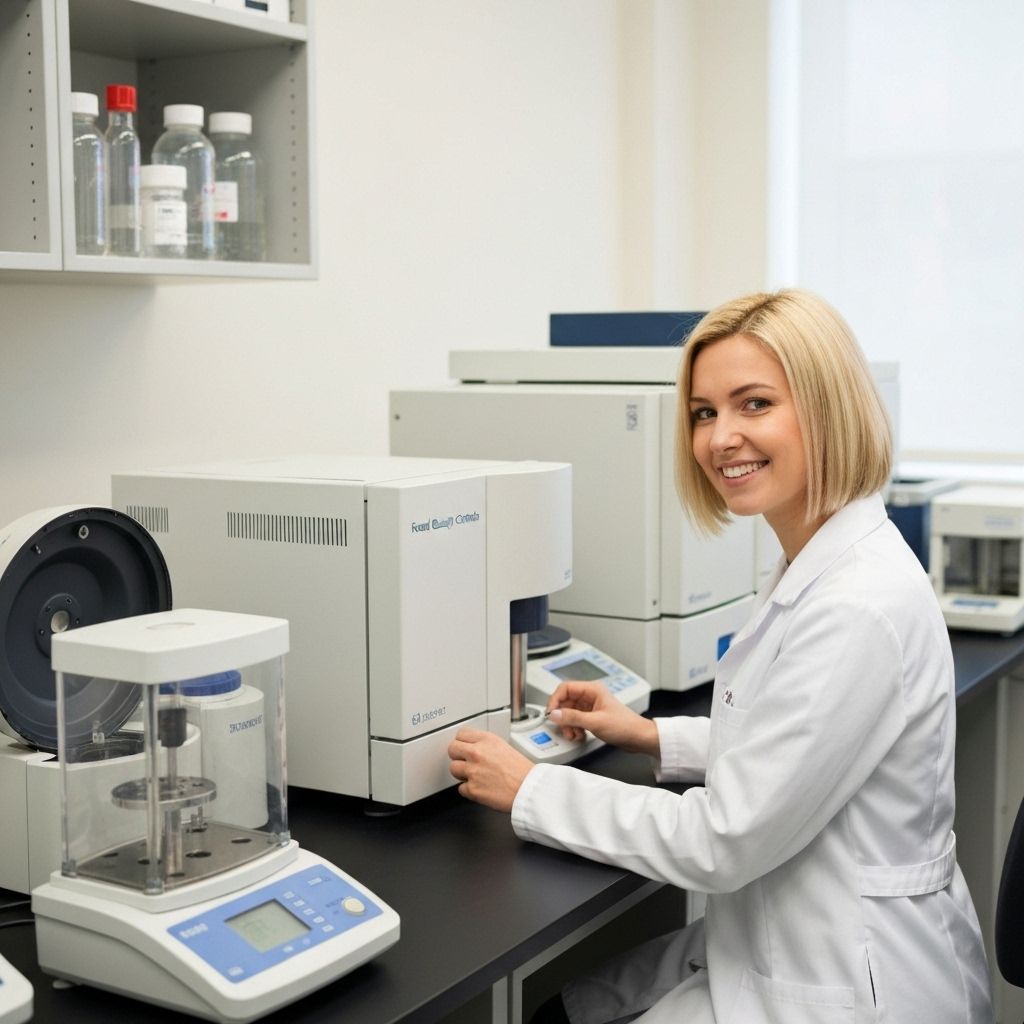
ROI Drivers: A Strategic Investment, Not a Cost
Avoidance of High-Cost Recalls, Downtime, and Liability
A recent article in Food Safety News "The ROI of Food Safety: From Compliance Cost to Strategic Investment in 2026," highlights the potential for a single contamination event costing a company tens to hundreds of millions in recall execution, legal, lost sales, and long-term brand damage.
Investing in preventive hygiene controls (like footwear disinfection) is far cheaper than the cost of even a single recall, production shutdown, or regulatory enforcement event.
Reduced Sanitation Costs and Labor Effort
Because UV-C + ozone shoe treatment is rapid (approximately 6-10 seconds), automated and non-chemical, it can reduce or replace the need for manual boot-wash stations, chemical mats, frequent cleanings, water use, and related labor.
Lower maintenance, no consumable chemicals, and minimal operator training mean ongoing running costs are modest, improving operational efficiency and reducing recurring sanitation expenses.
Improved Hygiene Compliance & Audit Readiness
For facilities subject to strict regulatory frameworks (e.g., HACCP, FSMA, GMP, ISO), the UVZone shoe station can be configured to collect user data and monitor compliance. Having documented, repeatable controls at transition zones strengthens hygiene protocols and supports audit readiness. Installations of UVZone in food-processing facilities have shown to boost hygiene-compliance rates dramatically.
Reduced contamination risk yields fewer deviations, non-conformances, holds, or recalls, lowering costs associated with rework, waste, lost production time, and customer rejections.
Brand Protection and Risk Mitigation
In today's environment, food safety failures instantly damage consumer trust, trigger litigation, and can result in long-lasting reputational harm. Companies with robust preventive controls gain a competitive advantage by protecting margins, reducing insurance premiums, and preserving long-term value.
Multiple UVZone shoe stations cost less than a single, typical, recall event. UVZone is also a highly visible demonstration of a proactive, disciplined hygiene culture; potentially increasing buyer confidence, enabling access to high-standard customers, and supporting export or retailer compliance requirements.
Scalability & Low Disruption to Workflow
The treatment takes only seconds per entry, maintains throughput, and integrates seamlessly into existing entry/exit or PPE-donning workflows.
It is scalable across multiple entry points (receiving dock, production floor, packaging, lab, etc.), providing broad coverage without renovation, plumbing, or drainage.
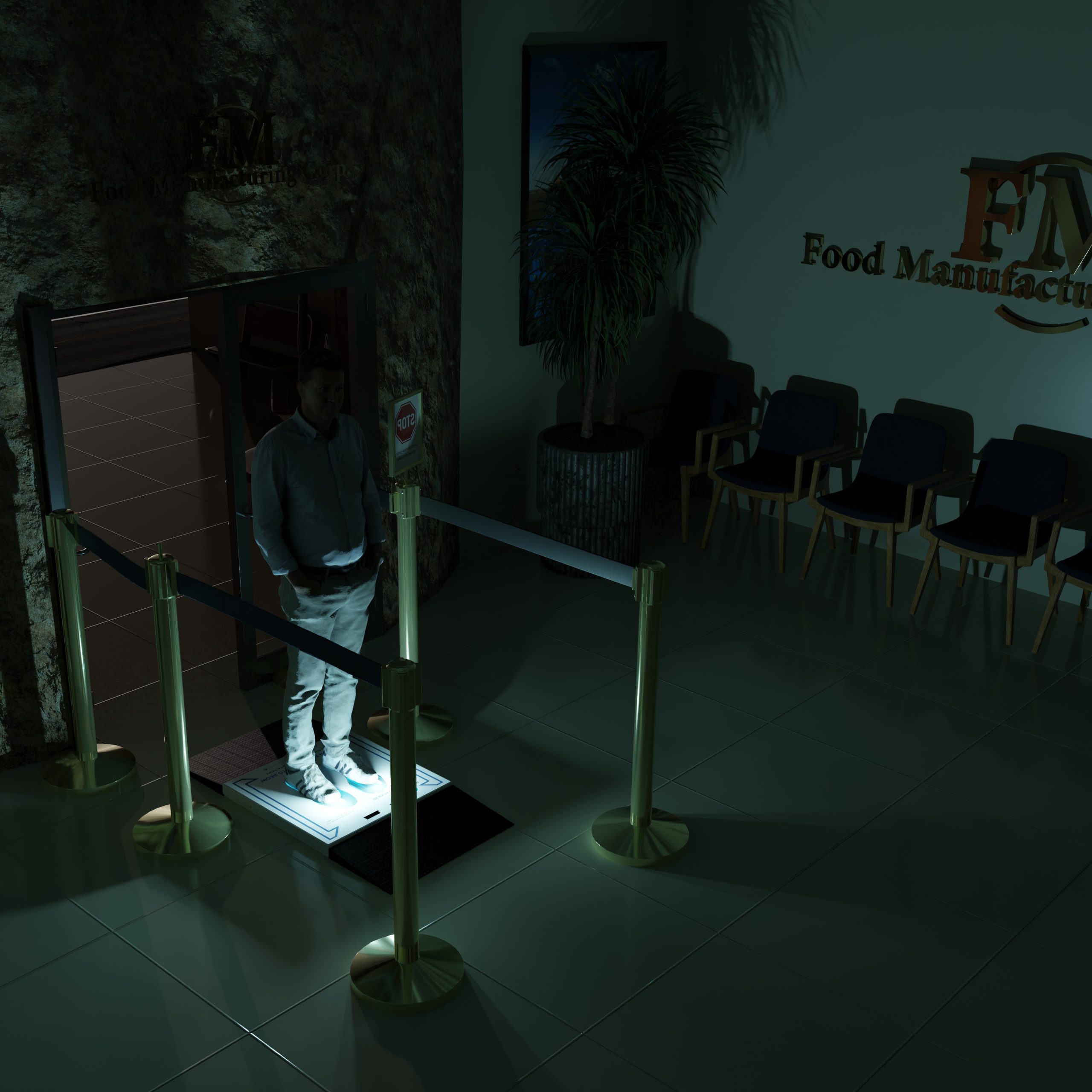
Where UVZone Shoe Stations Yield the Greatest Value
Deploy UV-C + ozone shoe stations at:
- Raw material receiving docks (incoming trucks, external personnel)
- Entrances to production floors (especially after breakrooms, restrooms, or external access)
- Transition zones - zones with different risk profiles
- Ready-to-eat (RTE) product zones and final packaging/finished-goods areas
- Laboratories and quality-control zones where microbial contamination could compromise testing or release decisions
By placing the stations strategically, the facility creates a "first line of defense", reducing microbial contamination before it reaches critical surfaces, product-contact zones, or lines; thus maximizing contamination prevention per dollar invested.
Conclusion
Investing in UV-C + ozone shoe sanitizing stations represents a high-leverage, low-disruption investment that shifts footwear from a hidden contamination risk to a controlled hygiene checkpoint. For food processors, where risk from pathogens can cripple operations and threaten brand reputation, this technology offers rapid payback through risk avoidance, lower sanitation burden, regulatory alignment, and greater resilience, transforming "safety cost" into a strategic business asset.
Recommendation
Perform a pilot deployment at 2-3 high-traffic entry points (e.g., raw materials dock, main production floor entry, packaging exit). Track key metrics over 6-12 months: microbial swab data, audit non-conformances, near-misses, sanitation labor hours, and any deviations or product holds. Use this data to build a risk-adjusted ROI model and then scale across facilities as needed.